No. 11The House
Comme des Garçons Runway Shows
Why Comme des Garcons runway shows challenge traditional beauty: concept-led collections, sculptural shapes and the shows that changed fashion.
The runway collections of Comme des Garçons have never followed the usual rules of fashion. Instead, they introduce a completely different way of seeing beauty—one that is abstract, emotional, and often unexpected. Rather than focusing on perfect shapes or commercial appeal, CDG pushes audiences to rethink what beauty really means in modern fashion culture.
Quick answer
Comme des Garçons runway shows challenge traditional beauty by presenting clothing as ideas. Collections are built around a concept, often with sculptural, oversized or distorted shapes, and Rei Kawakubo rarely explains them, so each show is open to interpretation.
Key takeaways
- Shows are concept-led, not trend-led.
- Sculptural shapes often hide or reshape the body.
- Many looks are closer to art than everyday wear.
Breaking Away from Traditional Fashion Standards
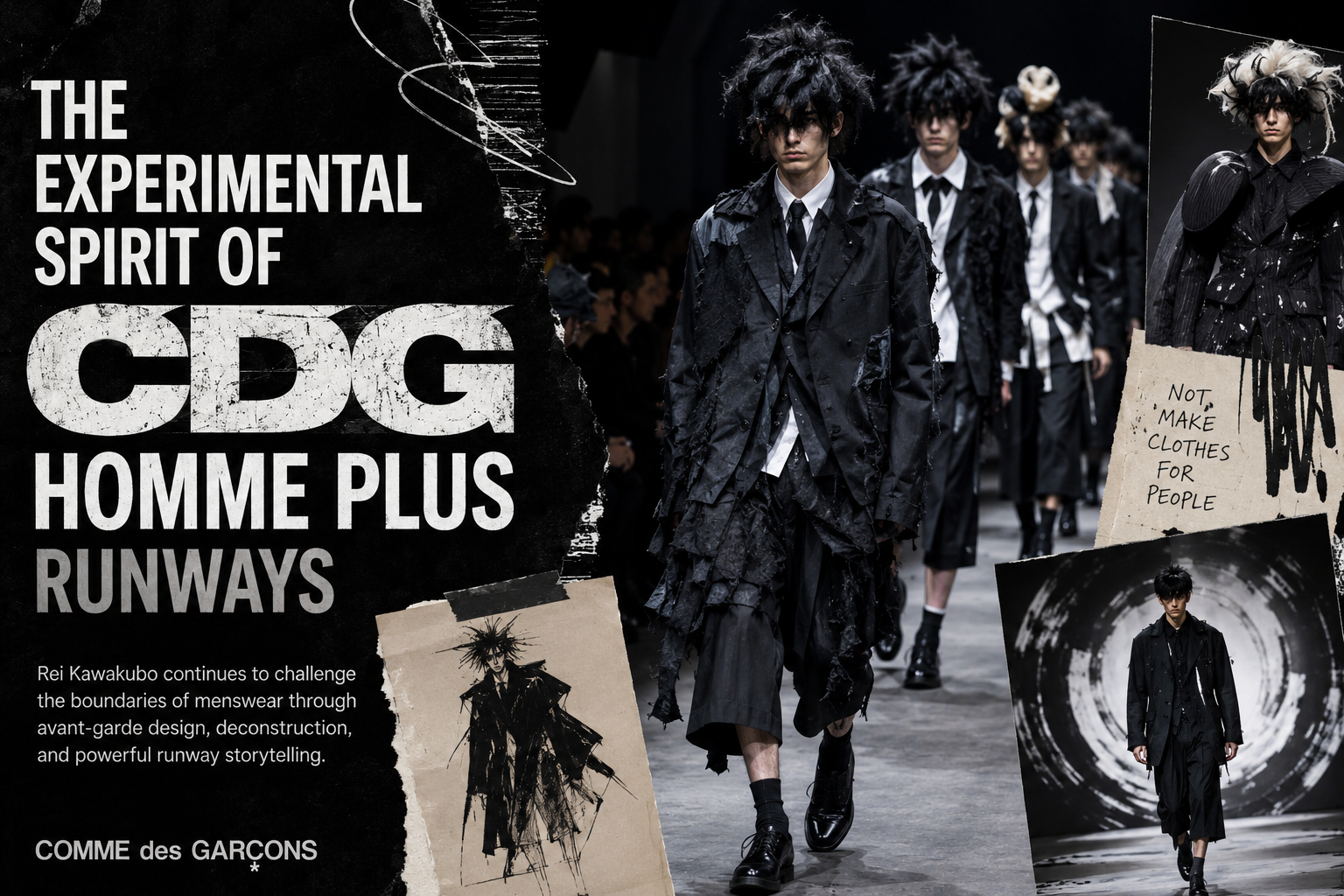
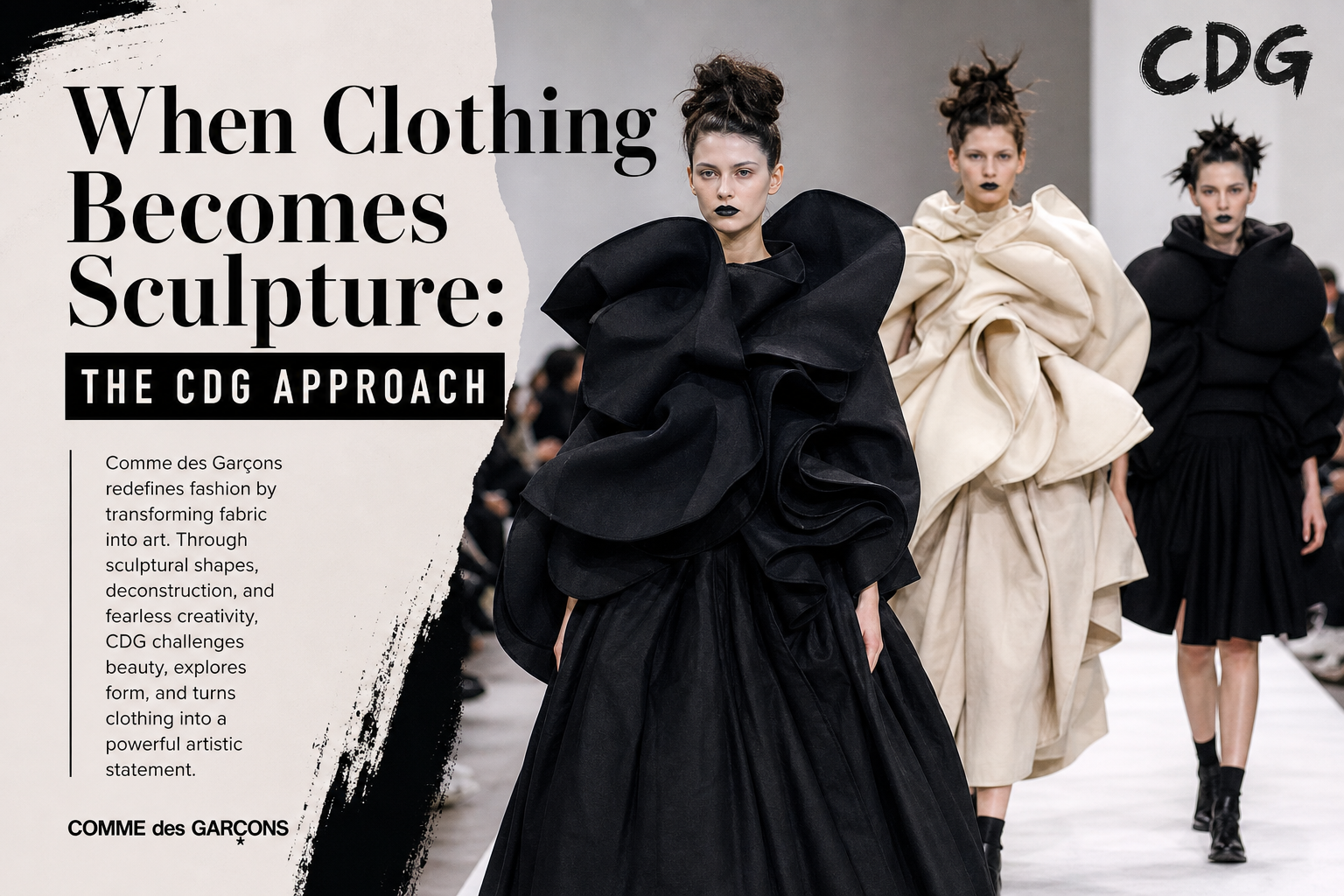
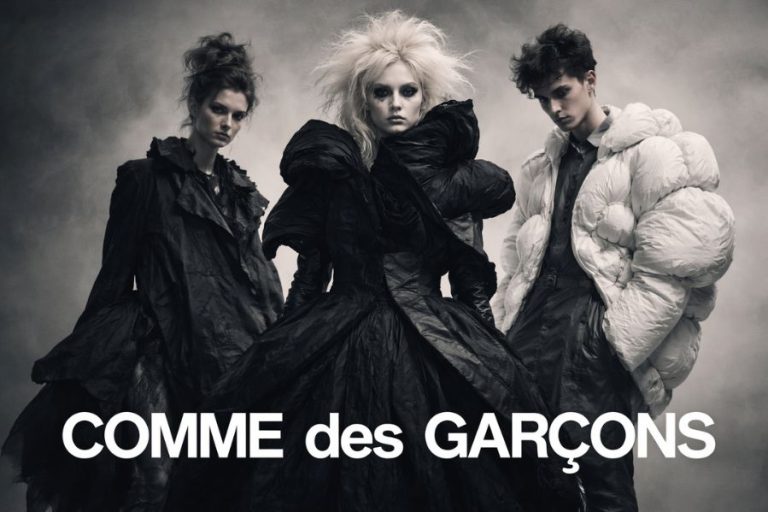
Traditional beauty in fashion is often linked to symmetry, slim silhouettes, and polished finishes. CDG challenges all of this. Garments are intentionally distorted, oversized, or deconstructed. Some pieces may even look unfinished, but that is exactly the point.
This disruption forces viewers to question long-standing fashion norms. CDG suggests that beauty does not need to be “perfect” or “flattering” to be meaningful. Instead, it can be raw, unusual, and thought-provoking.
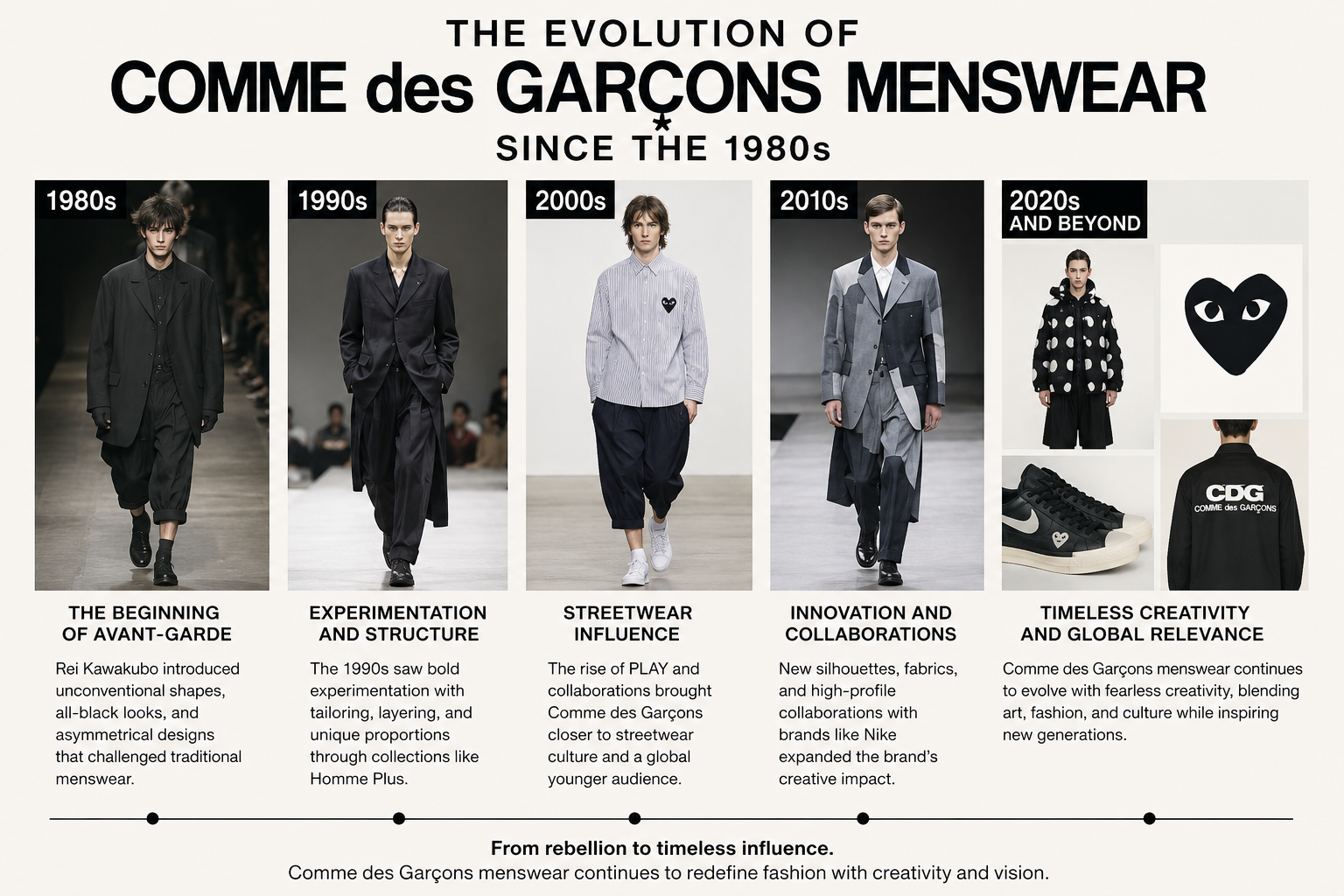
- 1981First Paris show.
- 1997“Body Meets Dress, Dress Meets Body” reshapes the body with padding.
- 2017The Met exhibition presents runway pieces as art.
Rei Kawakubo’s Radical Design Philosophy
At the heart of CDG’s identity is designer Rei Kawakubo, whose vision reshaped modern fashion. She is widely known for her anti-fashion approach, which rejects traditional design rules in favor of conceptual storytelling.
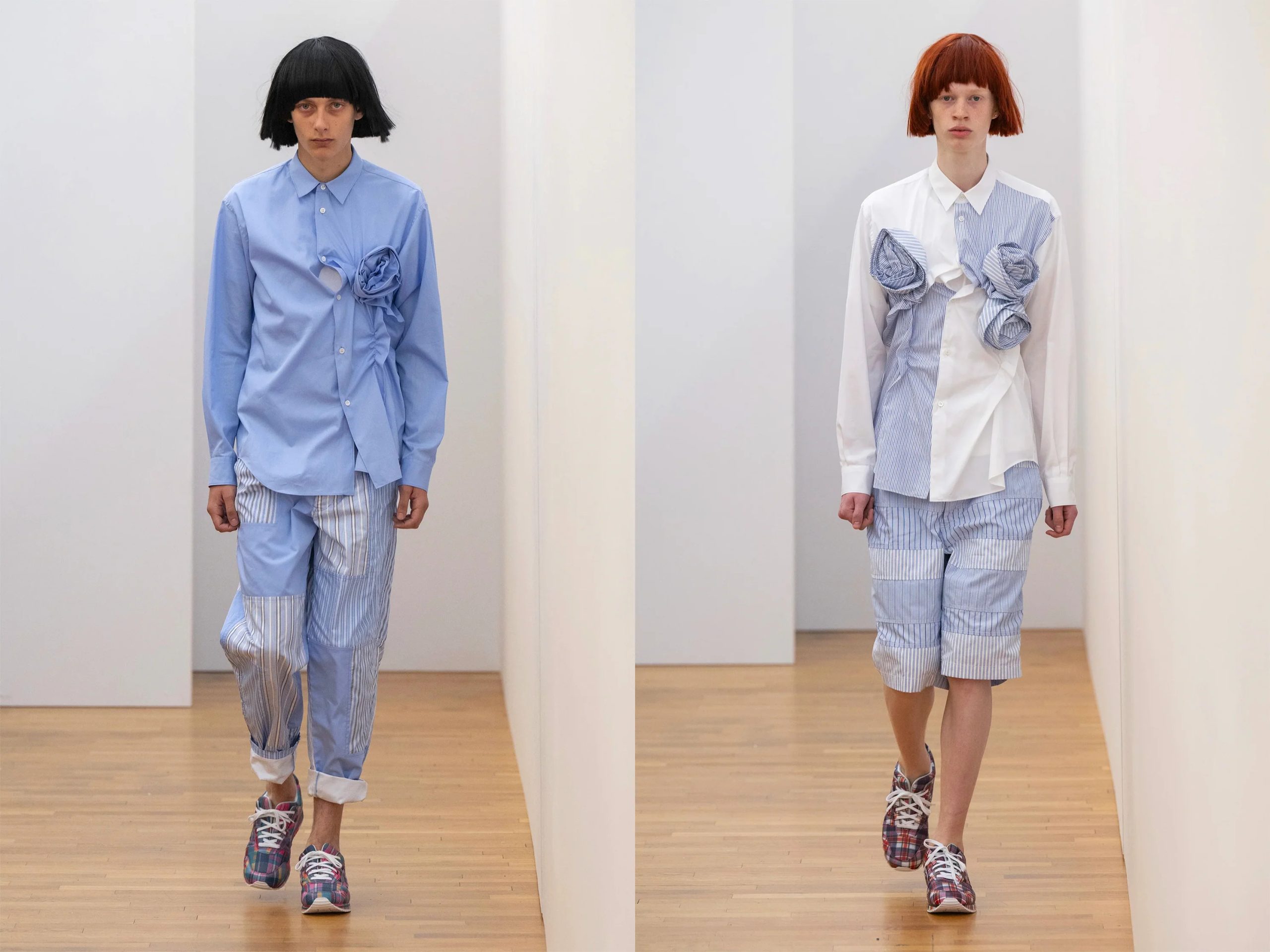
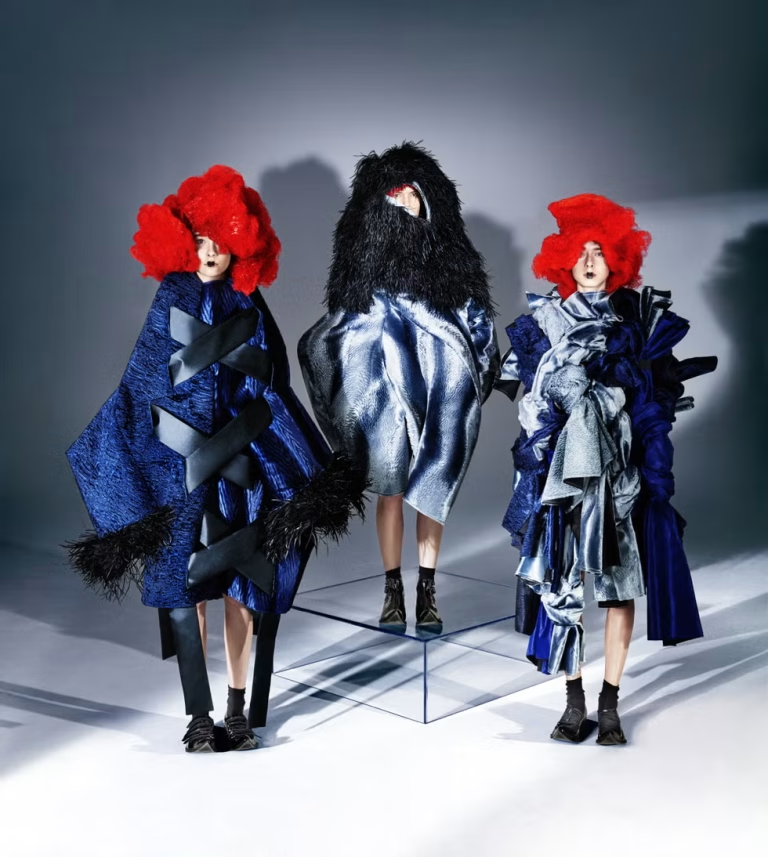
Kawakubo’s runway shows often resemble art installations. Models walk in sculptural outfits that transform the body’s natural silhouette. These designs challenge gender expectations, beauty standards, and even the definition of clothing itself.
The Artistic Power of Deconstruction
One of the most recognizable elements of CDG collections commedesgercons.com is deconstruction. Instead of hiding seams or imperfections, the brand highlights them. Fabrics may be layered unevenly, shapes may be exaggerated, and proportions may feel intentionally unbalanced.
This deconstructed style has influenced many modern designers and helped shift fashion toward a more artistic direction. It shows that clothing can be more than functional—it can be expressive art.
Emotional and Conceptual Storytelling
CDG runway shows are not just about clothing; they are about emotion and ideas. Each collection often explores deeper themes such as identity, chaos, transformation, or freedom.
This emotional depth makes CDG stand out in the fashion world. Even if the designs appear unusual at first, they create strong reactions and lasting impressions. That emotional connection is a key part of why CDG remains influential.
Conclusion: Redefining What Beauty Means
By challenging traditional standards, Comme des Garçons has redefined beauty in fashion. The brand proves that beauty is not limited to perfection—it can also exist in distortion, experimentation, and artistic expression. CDG continues to inspire designers and audiences to see fashion as a space without limits.
Frequently asked questions
Where does Comme des Garçons show?
At Paris Fashion Week.
Are Comme des Garçons runway pieces wearable?
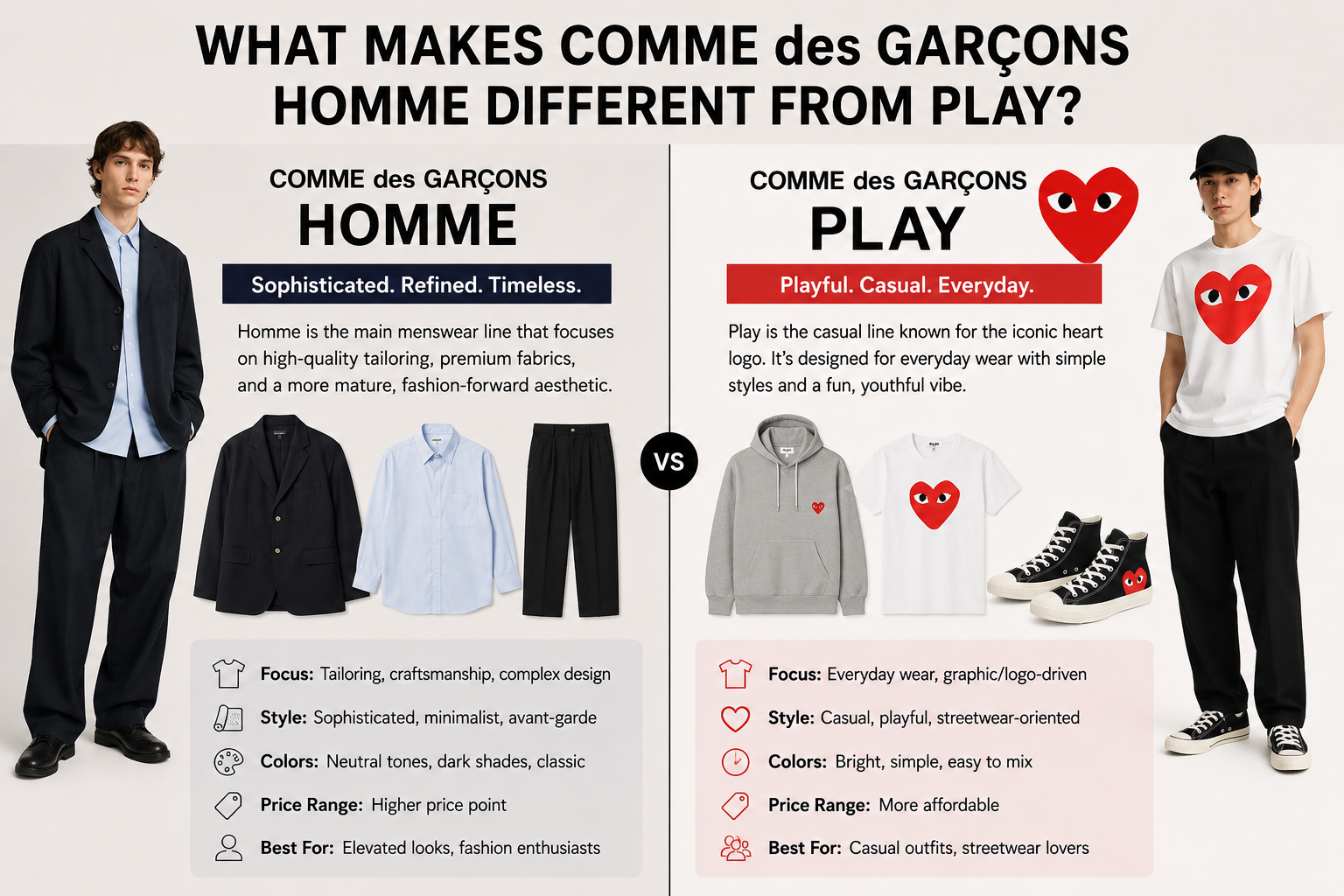
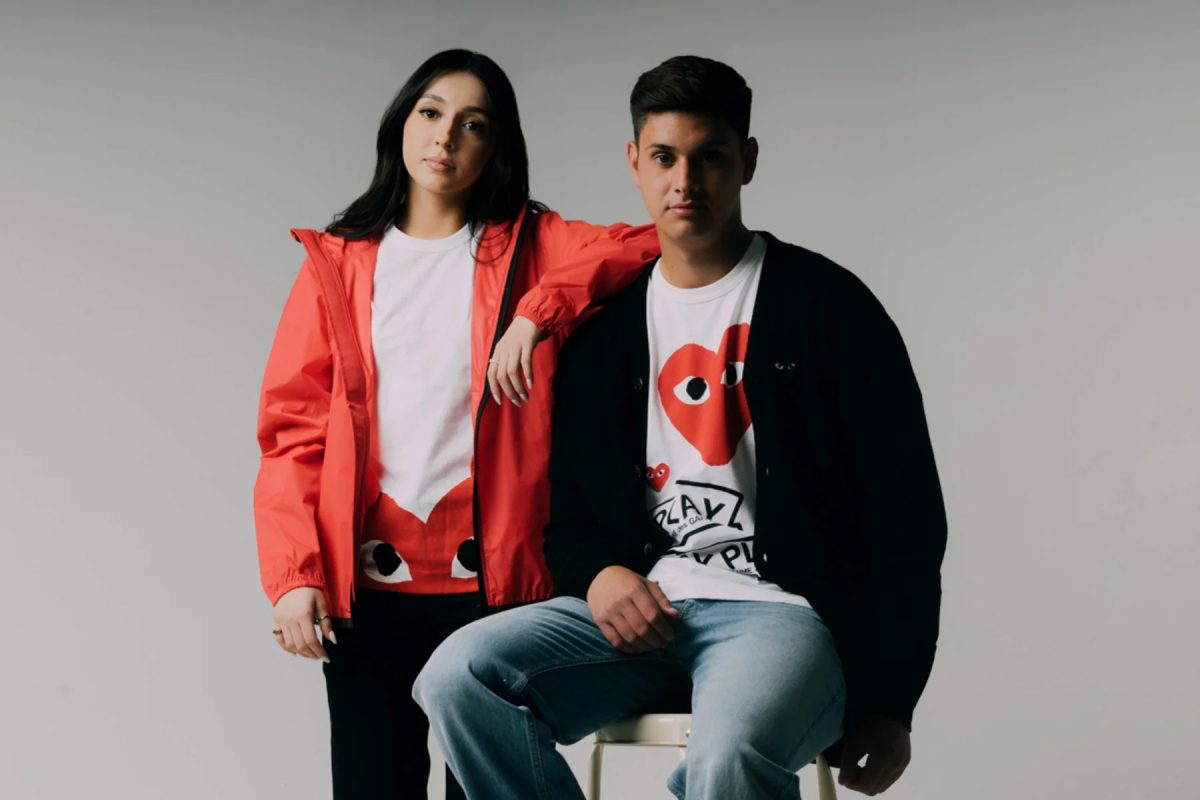
Some are; many are conceptual. Everyday lines such as PLAY translate the brand into wearable basics.
Why are CDG shows called art?
Because the pieces explore ideas and form more than function, and many are now held in museums.
More on Rei Kawakubo and Comme des Garçons
Keep reading
More from the Journal

 CDG Play Unisex Reverse Red Heart Zip Hooded White Original price was: $230.00.$120.00Current price is: $120.00.
 CDG PLAY Zip Hoodie with Red Invader Heart and Blue Emblem Original price was: $175.00.$99.00Current price is: $99.00.
 CDG Play Zip-up Hoodie Original price was: $175.00.$125.00Current price is: $125.00.
 CDG Play Unisex Reverse Red Heart Zip Hooded Grey Original price was: $230.00.$120.00Current price is: $120.00.