No. 02The House
Rei Kawakubo’s Design Philosophy
Rei Kawakubo’s design philosophy explained: why she ignores trends, rejects “perfect” beauty and treats clothing as an idea rather than a product.
In a world where trends often dictate creativity, Rei Kawakubo stands apart as a designer who never believed in following rules. As the founder of Comme des Garçons, she transformed the fashion industry by challenging traditional ideas of beauty, structure, and design. Her work is not just about clothing—it’s about art, identity, and freedom of expression.
Quick answer
Rei Kawakubo’s design philosophy is to create something that has not existed before. She rejects trends, conventional beauty and flattering fit, and uses asymmetry, unfinished edges and unusual volumes to question what clothing can be.
Key takeaways
- Kawakubo starts from an idea or feeling, not from a garment type.
- Imperfection and unfinished details are deliberate design choices.
- She avoids explaining collections, leaving interpretation to the wearer.
Breaking the Idea of “Perfect Fashion”
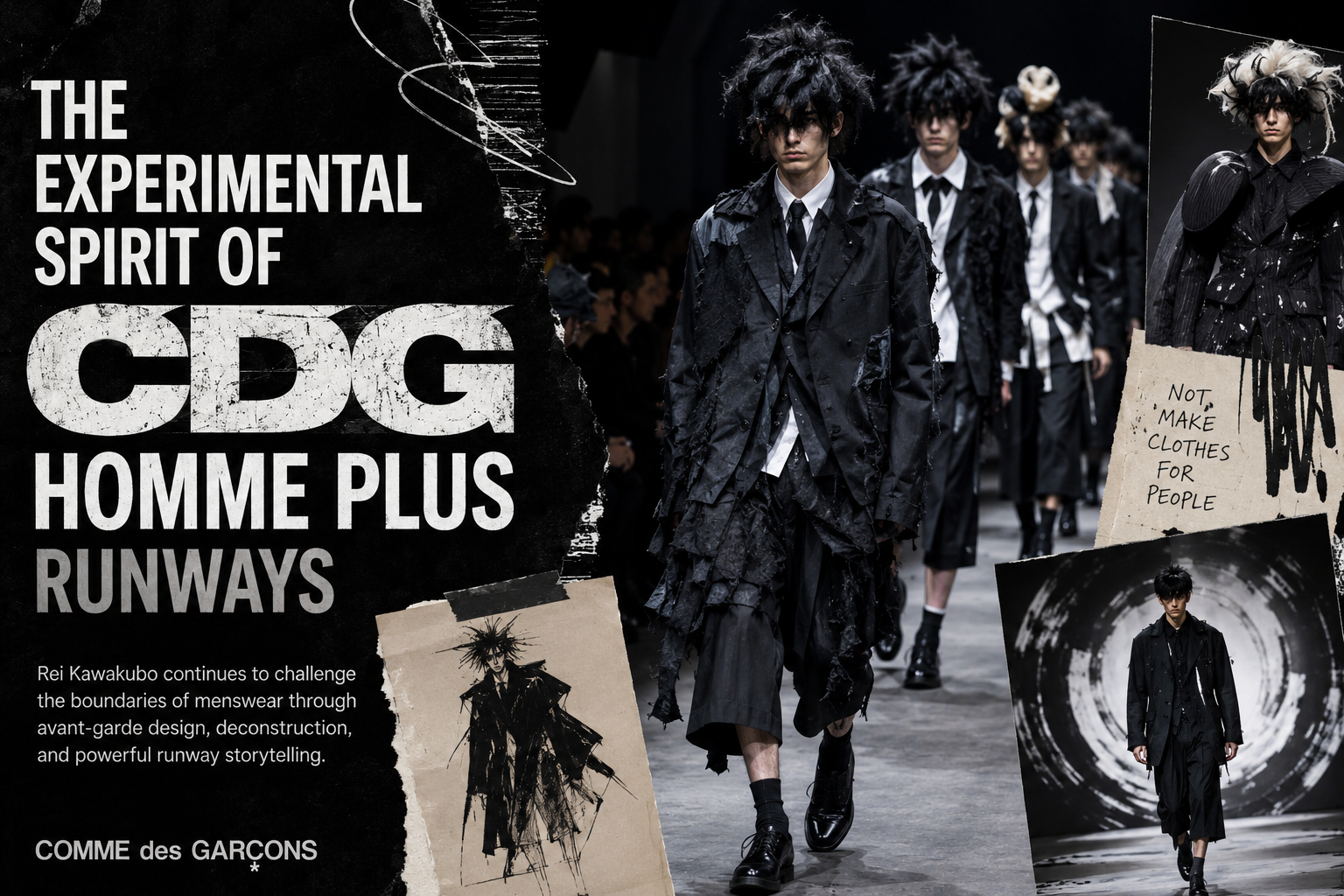
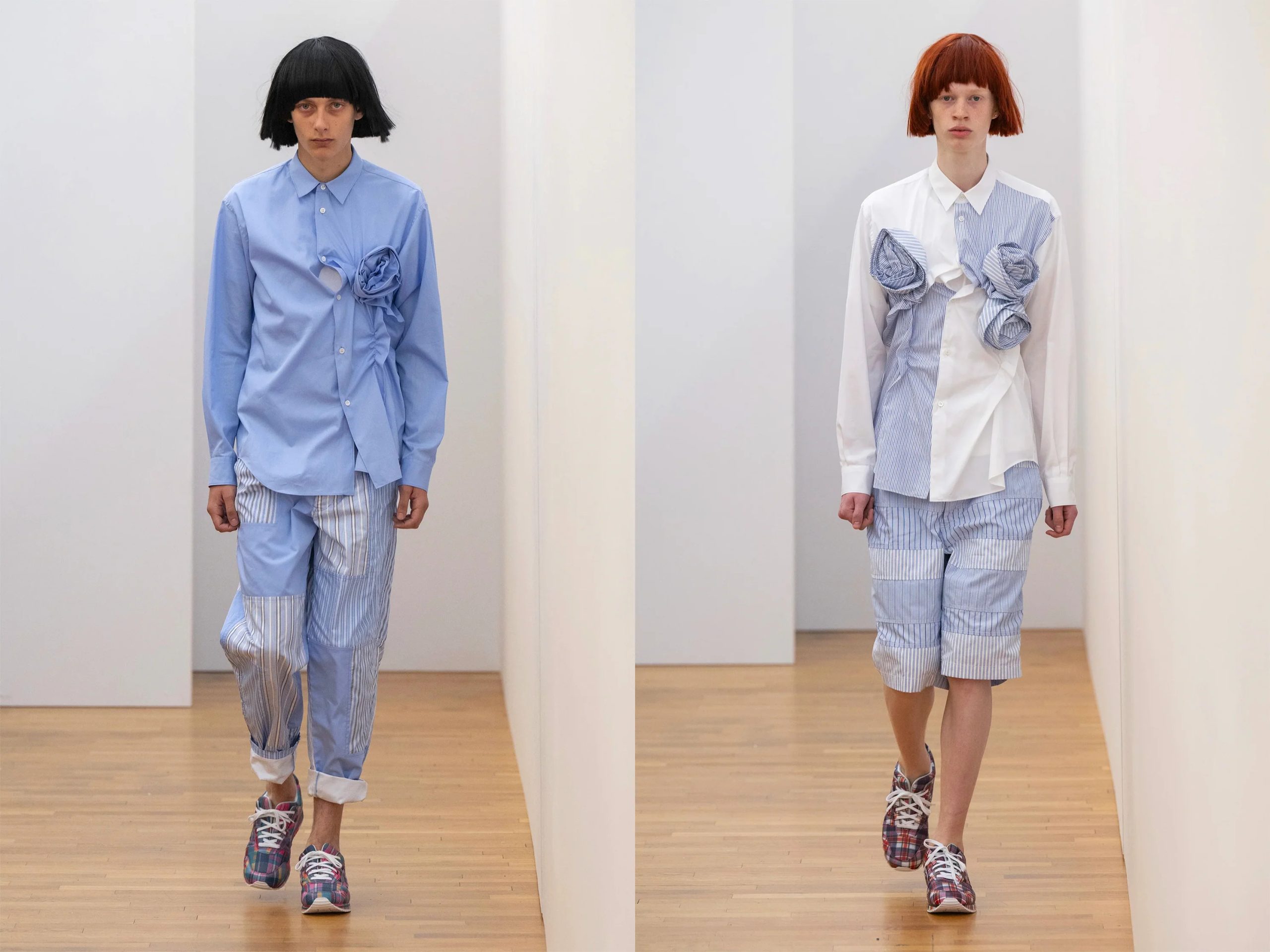
Most designers aim to create garments that fit perfectly and enhance the body. Kawakubo took a completely different approach. She introduced asymmetry, unfinished edges, and oversized silhouettes that often looked “imperfect” by traditional standards. However, this was intentional. She believed that imperfection tells a deeper story and allows people to interpret fashion in their own way.
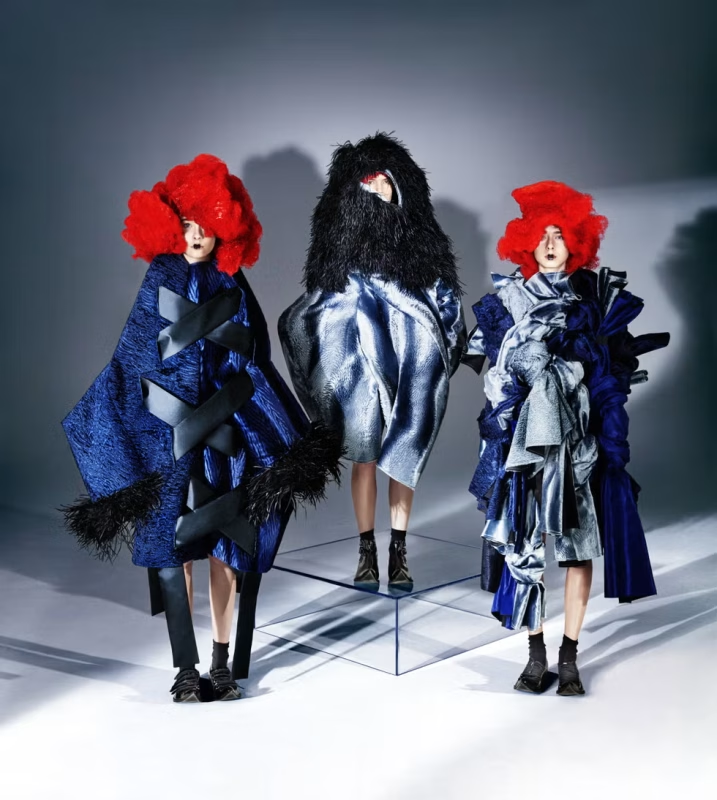
Her collections often surprised audiences because they didn’t follow seasonal trends. Instead of designing what people expected, she created what she felt. This bold mindset is one of the main reasons she never followed fashion rules.
- Born
- 1942, Tokyo
- Studied
- Fine arts and literature, Keio University
- Founded
- Comme des Garçons, 1969
- Known for
- Anti-fashion, deconstruction
| Element | Conventional approach | Kawakubo’s approach |
|---|---|---|
| Starting point | A season’s trends | An abstract idea or emotion |
| Silhouette | Flatters the body | Distorts or reshapes the body |
| Finish | Clean and perfect | Raw edges, holes, asymmetry |
| Colour | Seasonal palettes | Black as a statement |
| Goal | Beauty and sales | Something new |
Fashion as Art, Not Just Clothing
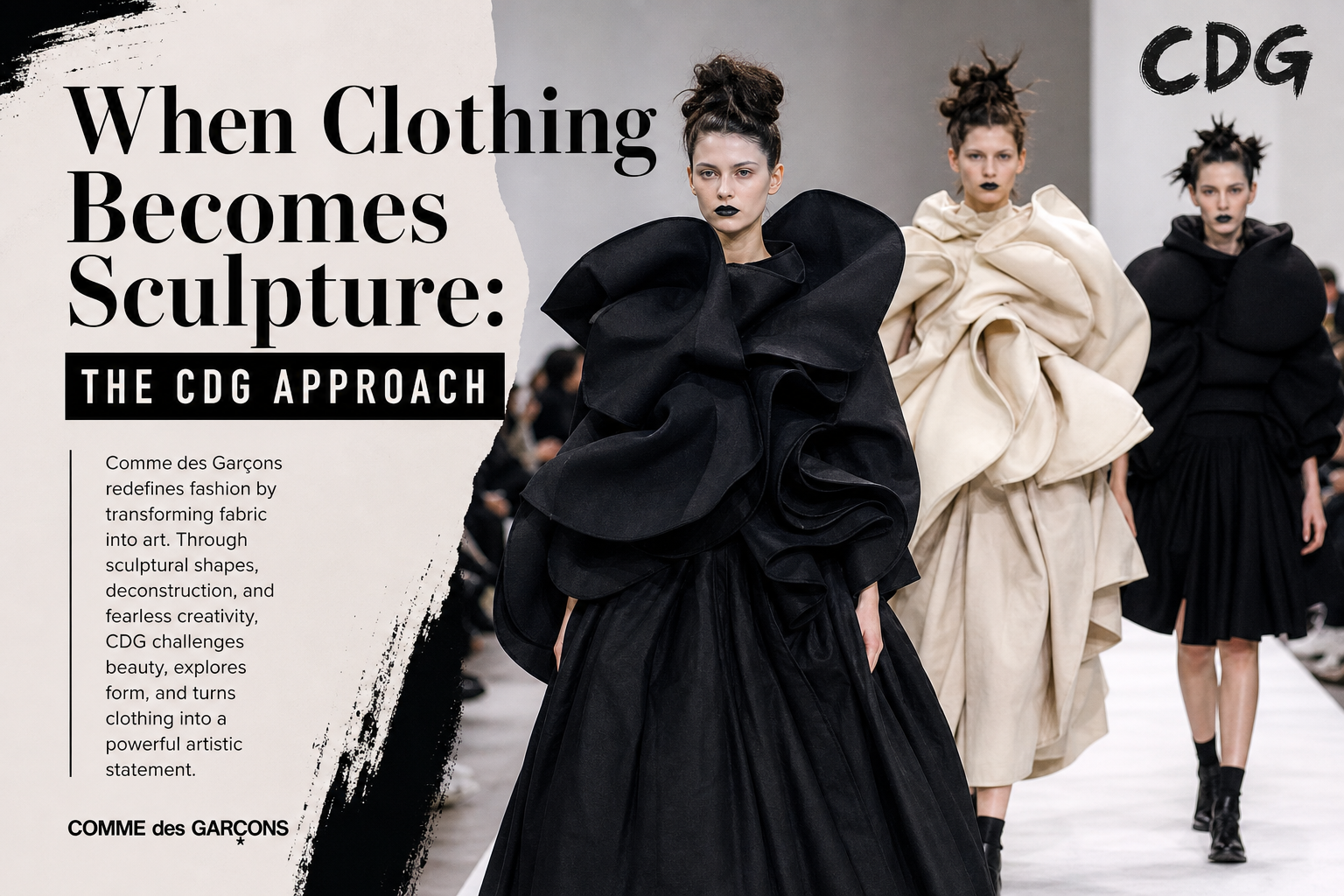
For Rei Kawakubo, fashion has always been more than wearable items—it is a form of artistic expression. Her runway shows often resemble art installations rather than typical fashion presentations. Some pieces challenge functionality, focusing instead on concept and emotion.
By treating fashion as art, Kawakubo freed herself from the limitations of commercial expectations. She proved that clothing doesn’t always need to be practical; it can exist simply to make a statement or spark conversation.
Ignoring Trends and Creating Her Own Path
One of the strongest reasons Kawakubo never followed rules is her refusal to follow trends. While many designers look to past or current trends for inspiration, she avoids them entirely. Instead, she focuses on originality.
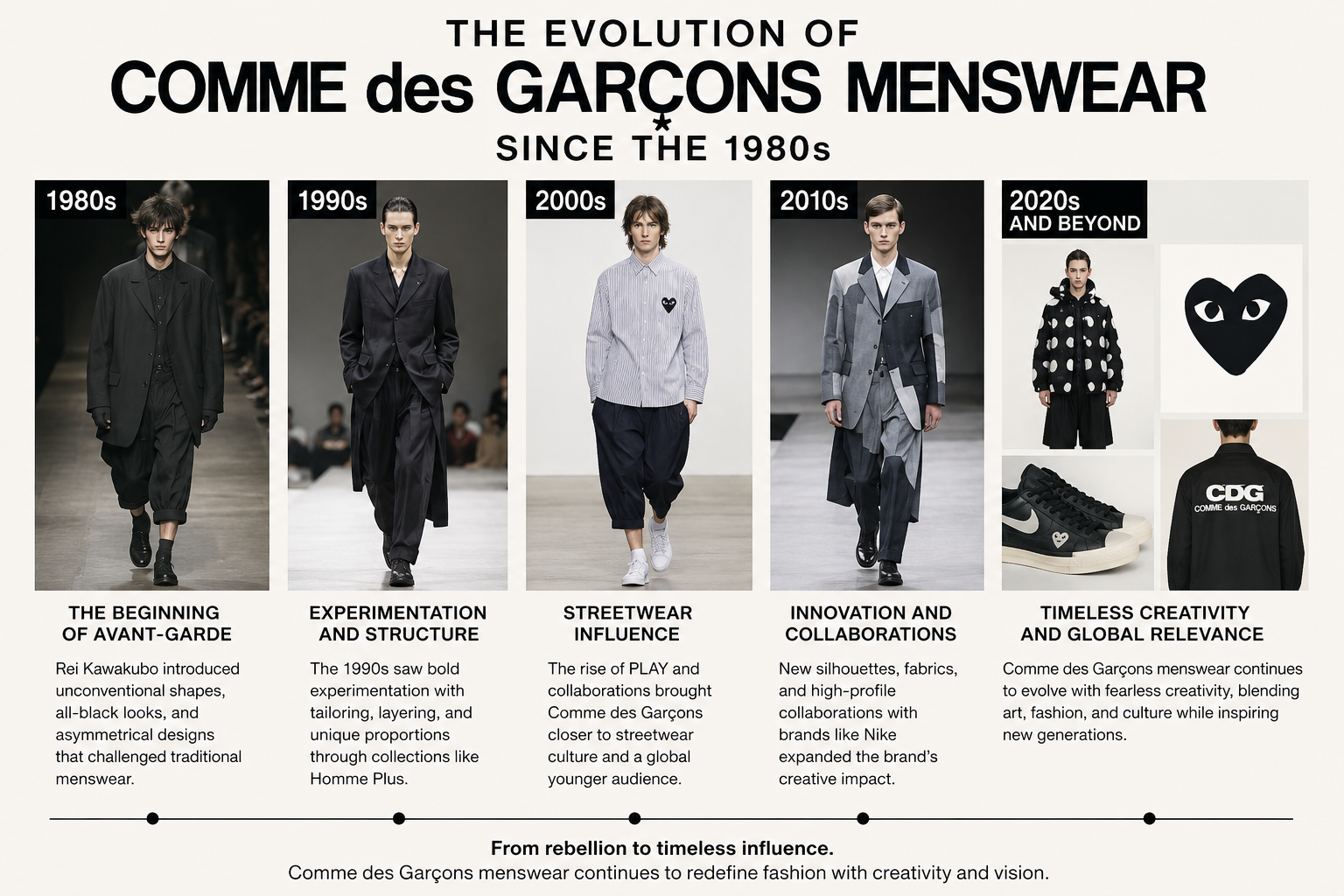
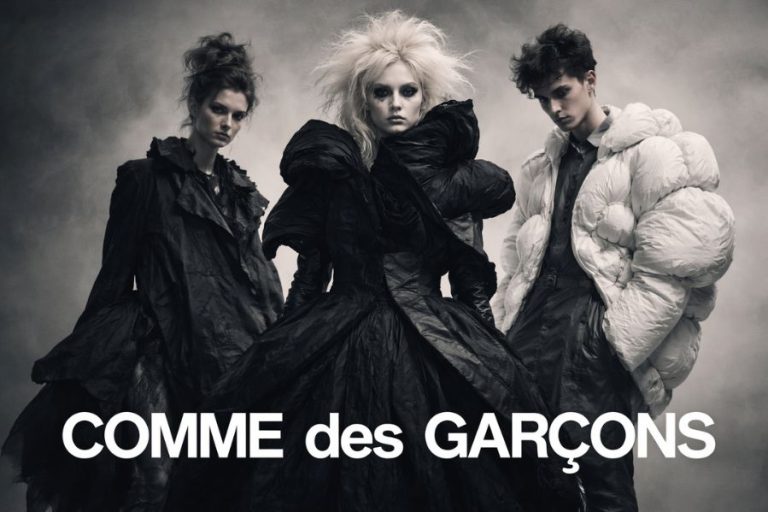
This approach helped Comme des Garçons (CDG) build a unique identity. The brand became known for its avant-garde designs and fearless experimentation. Kawakubo didn’t wait for approval—she created her own standards, and the world eventually followed.
Challenging Beauty Standards
Rei Kawakubo also questioned traditional ideas of beauty. In an industry often focused on perfection and glamour, she introduced designs that were raw, abstract, and sometimes even uncomfortable.
Her work encourages people to see beauty in unexpected places. By doing this, she reshaped how people think about fashion and identity. She showed that beauty doesn’t have to be conventional—it can be complex, unusual, and deeply personal.
Influence on Modern Fashion
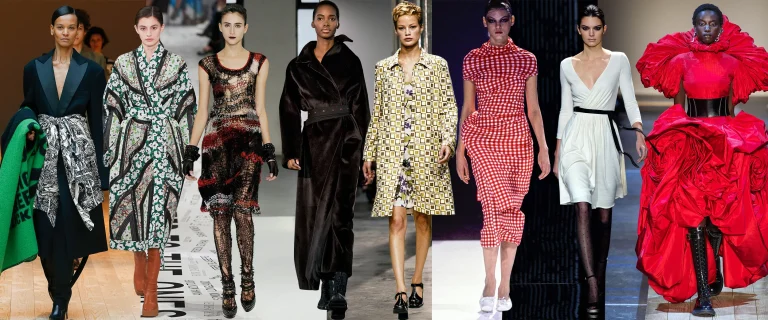
Kawakubo’s rule-breaking mindset has influenced countless designers and brands around the world. Today, many fashion houses experiment with unconventional shapes and concepts, something that was once considered risky.
Her legacy proves that innovation comes from taking risks. By refusing to follow rules, she opened the door for creativity in ways the industry had never seen before.
Conclusion
Rei Kawakubo never followed fashion rules because she believed in creating her own. Her work with Comme des Garçons continues to inspire designers, artists, and fashion lovers globally commedesgercons.com. She reminds us that true creativity comes from thinking differently, embracing imperfection, and daring to challenge the norm.
Frequently asked questions
What is Rei Kawakubo’s design philosophy?
To make something new rather than something beautiful in the usual sense, using imperfection, asymmetry and unexpected shapes.
Did Rei Kawakubo train as a fashion designer?
No. She studied fine arts and literature at Keio University and worked in advertising before starting Comme des Garçons.
What is “anti-fashion”?
A term often used for Kawakubo’s work: designs that reject trends and conventional ideas of what looks good.
More on Rei Kawakubo and Comme des Garçons
Keep reading
More from the Journal

 CDG Play Unisex Reverse Red Heart Zip Hooded White Original price was: $230.00.$120.00Current price is: $120.00.
 CDG PLAY Zip Hoodie with Red Invader Heart and Blue Emblem Original price was: $175.00.$99.00Current price is: $99.00.
 CDG Play Zip-up Hoodie Original price was: $175.00.$125.00Current price is: $125.00.
 CDG Play Unisex Reverse Red Heart Zip Hooded Grey Original price was: $230.00.$120.00Current price is: $120.00.