No. 08The House
Comme des Garçons History: Tokyo to Paris
The history of Comme des Garcons in one timeline: from Rei Kawakubo’s start in Tokyo in 1969 to Paris, PLAY, Dover Street Market and the Met.
The rise of Comme des Garçons is one of the most disruptive stories in modern fashion. What began in Tokyo as an experimental label soon evolved into a global force that challenged every traditional rule of style. At the center of this revolution was visionary designer Rei Kawakubo, whose work didn’t just introduce new aesthetics—it reshaped how people think about clothing itself.
Quick answer
Comme des Garçons began in Tokyo in 1969, became a company in 1973 and debuted in Paris in 1981. It then grew into a group of lines, including Homme, SHIRT, Parfums and PLAY, and opened Dover Street Market in 2004.
Key takeaways
- Five decades from a Tokyo label to a global fashion group.
- Paris in 1981 was the turning point.
- PLAY (2002) brought the brand to a much wider audience.
The Birth of a Radical Vision in Tokyo
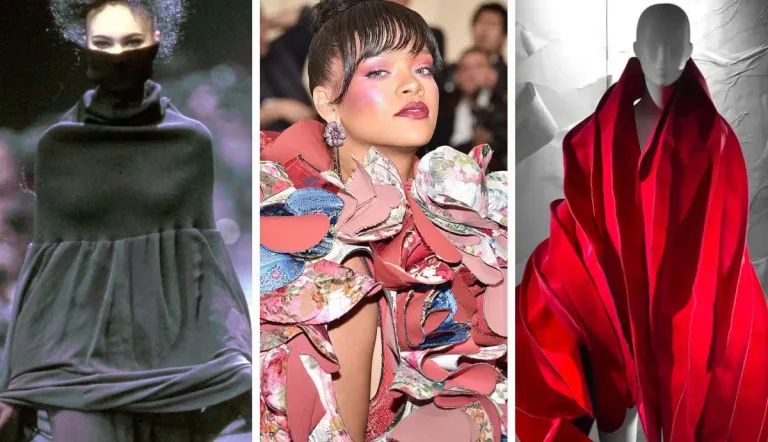
Founded in 1969, Comme des Garçons started as a quiet rebellion against mainstream fashion. Kawakubo rejected the polished, body-conscious silhouettes dominating the industry at the time. Instead, she embraced asymmetry, dark palettes, and unconventional shapes that often appeared unfinished or deconstructed.
In Tokyo, this approach gained a cult following. The brand’s name—meaning “like boys” in French—reflected its early exploration of gender-neutral fashion. Long before it became a global trend, CDG was already blurring the lines between masculine and feminine design.
- 1969Rei Kawakubo starts making clothes in Tokyo under the name Comme des Garçons.
- 1973The company is formally established in Tokyo.
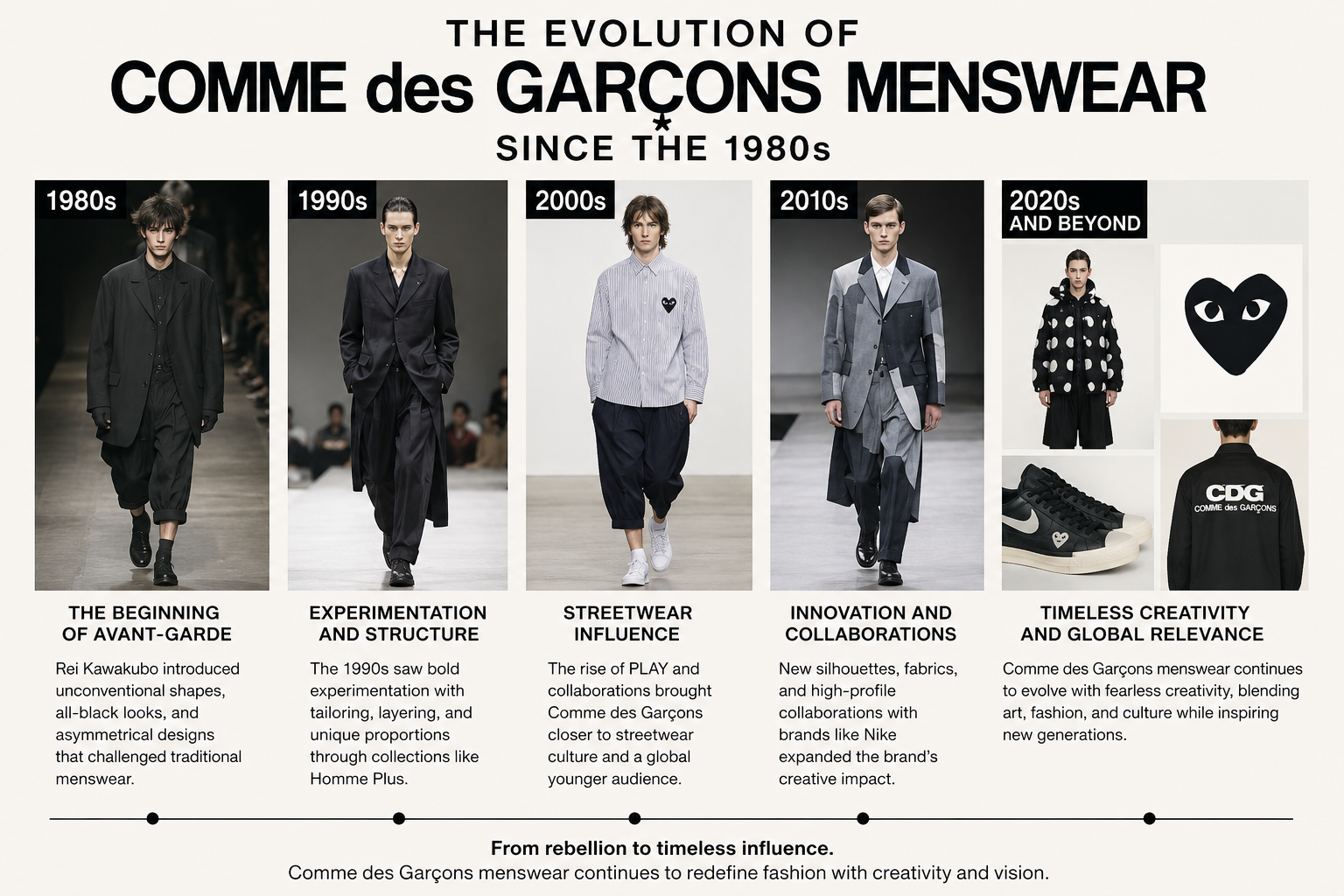
- 1978Comme des Garçons Homme, the first menswear line, launches.
- 1981First runway show in Paris.
- 1994Comme des Garçons Parfums releases its first fragrance.
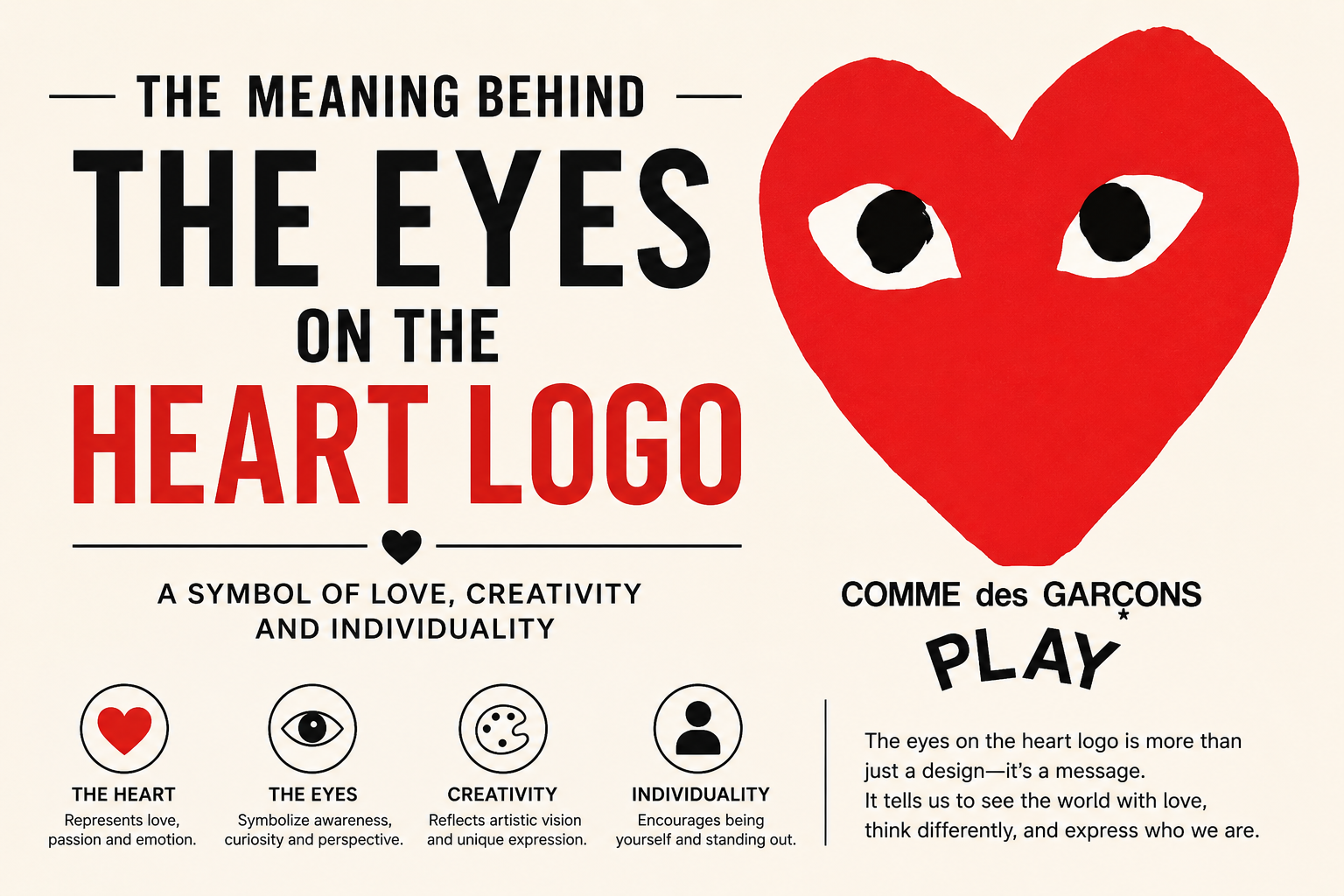
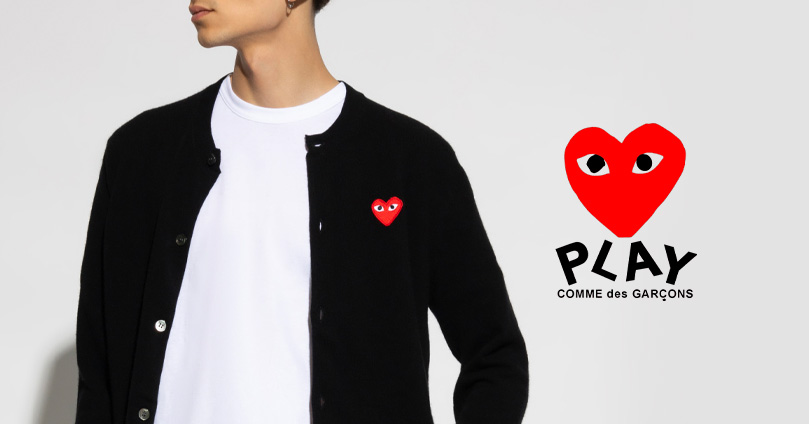
- 2002Comme des Garçons PLAY launches with the heart-with-eyes logo.
- 2004Dover Street Market opens in London.
- 2017The Met Costume Institute stages “Rei Kawakubo/Comme des Garçons: Art of the In-Between”.
- 2009Comme des Garçons BLACK launches.
The Paris Debut That Shocked the World
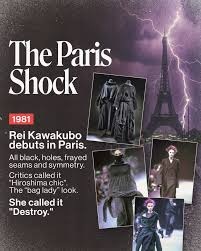
Everything changed in 1981 when Comme des Garçons debuted at Paris Fashion Week. The collection stunned audiences. Models walked the runway in distressed black garments, torn fabrics, and silhouettes that seemed deliberately anti-fashion.
Critics initially reacted harshly, even labeling the style as “Hiroshima chic.” But beneath the controversy was something powerful: a completely new way of seeing beauty. Kawakubo wasn’t interested in making clothes that flattered the body—she wanted to challenge perception itself.
Redefining Beauty and Fashion Norms
The CDG journey from Tokyo to Paris marked a turning point in fashion history. Instead of focusing on trends, Kawakubo created a philosophy. Her designs often emphasized imperfection, imbalance, and abstraction.
This approach influenced countless designers and brands across the globe. Today, elements once considered shocking—oversized silhouettes, distressed fabrics, and conceptual collections—are widely accepted and even celebrated.
Comme des Garçons proved that fashion could be intellectual, emotional, and even uncomfortable. It didn’t have to be traditionally “beautiful” to be meaningful.
Counts Homme (1978), Homme Plus (1984), SHIRT (1988), Junya Watanabe (1992), Parfums (1994), PLAY (2002) and BLACK (2009).
Global Expansion and Cultural Impact
Following its Paris breakthrough, Comme des Garçons expanded internationally. The brand opened stores worldwide and launched multiple sub-labels, each exploring different creative directions.
Collaborations also played a key role in its success. From high-end partnerships to streetwear influences, CDG bridged the gap between luxury and everyday fashion. Its iconic heart logo from the PLAY line became instantly recognizable, introducing the brand to a broader audience.
Despite its growth, the brand never lost its experimental edge. Kawakubo continues to push boundaries, proving that innovation doesn’t have to fade with success.
A Legacy That Still Inspires
The journey from Tokyo to Paris wasn’t just about geographical expansion—it was about transforming the fashion industry. Comme des Garçons didn’t follow trends; it created a new language of design.
Today, Rei Kawakubo remains one of the most influential figures in fashion. Her work continues to inspire designers to think beyond conventions and embrace creativity without limits.
The shock that CDG delivered in Paris still echoes today, reminding the world that true innovation often begins with defiance.
Frequently asked questions
When was Comme des Garçons founded?
Rei Kawakubo started the label in Tokyo in 1969; the company was established in 1973.
When did CDG PLAY start?
In 2002.
What is Dover Street Market?
A multi-brand store concept created by Rei Kawakubo and Adrian Joffe, first opened in London in 2004.
More on Rei Kawakubo and Comme des Garçons
Keep reading
More from the Journal


 CDG Play Unisex Reverse Red Heart Zip Hooded White Original price was: $230.00.$120.00Current price is: $120.00.
 CDG PLAY Zip Hoodie with Red Invader Heart and Blue Emblem Original price was: $175.00.$99.00Current price is: $99.00.
 CDG Play Zip-up Hoodie Original price was: $175.00.$125.00Current price is: $125.00.
 CDG Play Unisex Reverse Red Heart Zip Hooded Grey Original price was: $230.00.$120.00Current price is: $120.00.