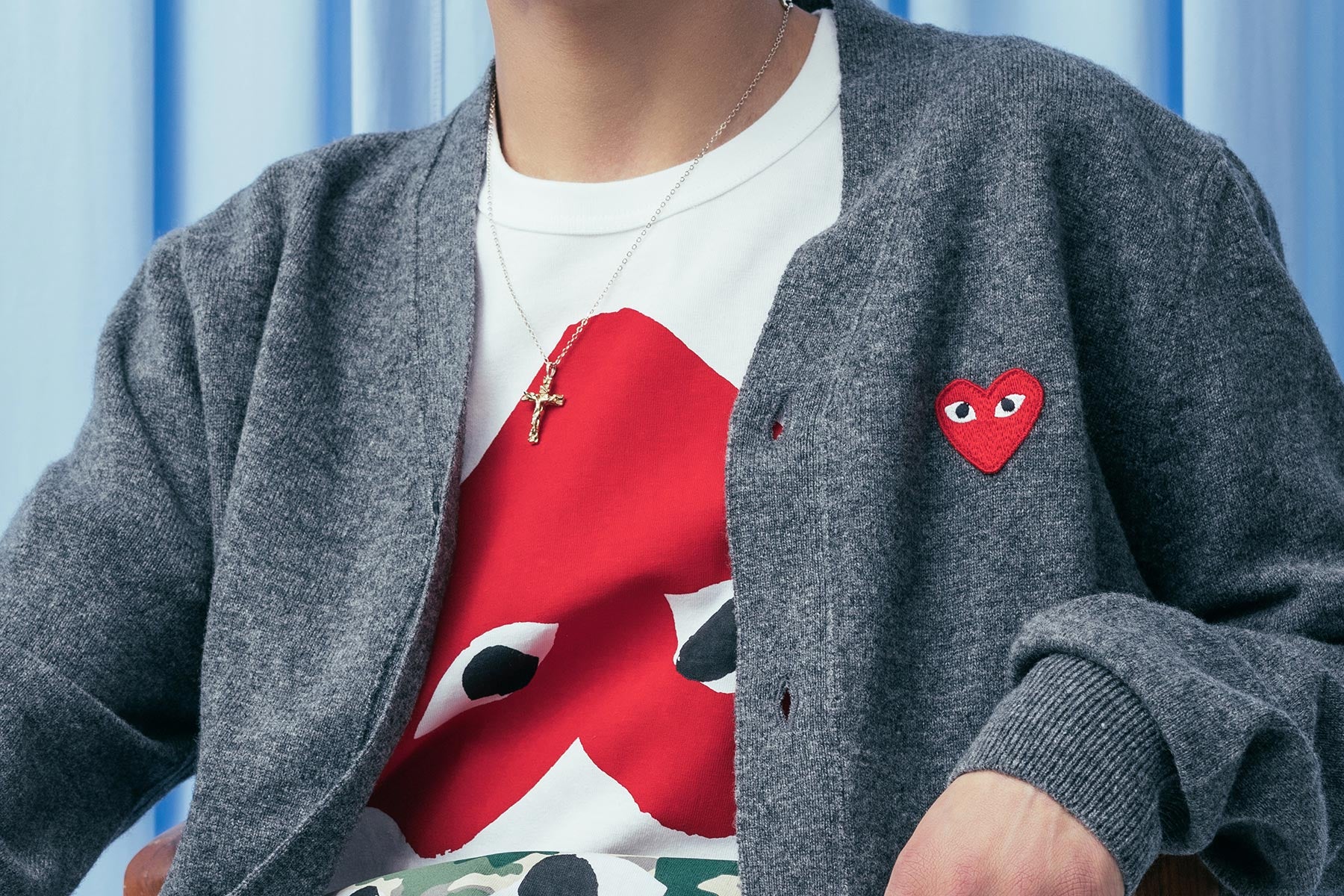
In a fashion world driven by trends, algorithms, and fast consumption, few brands manage to stay genuinely disruptive decade after decade. Yet Comme des Garçons continues to feel as radical today as it did when it first emerged under the visionary leadership of Rei Kawakubo. But what exactly keeps the brand so relevant—and so rebellious—in modern fashion?
A Philosophy That Rejects Convention
At the heart of Comme des Garçons is a refusal to conform. While most fashion houses evolve by refining their aesthetic, Kawakubo constantly reinvents hers. Her work challenges traditional ideas of beauty, symmetry, and even wearability. Instead of designing to please, she designs to provoke thought.
This anti-fashion philosophy is what makes the brand feel radical even today. In an era where many brands play it safe to appeal to global audiences, Comme des Garçons continues to question what clothing can and should be.
Redefining Beauty in Fashion
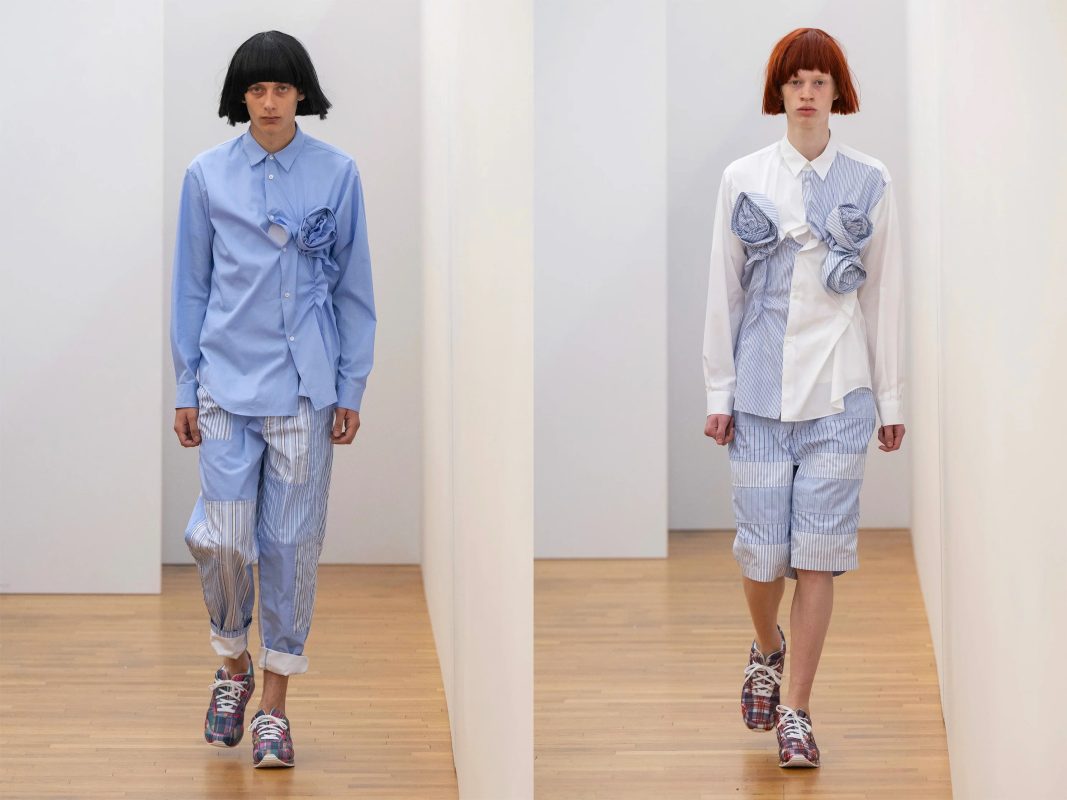
Comme des Garçons doesn’t follow conventional beauty standards—it dismantles them. From asymmetrical silhouettes to exaggerated proportions, the brand forces viewers to rethink their expectations.
Runway collections often blur the line between clothing and sculpture. These designs aren’t just garments; they are statements. This willingness to embrace imperfection and abstraction is a major reason why the brand still stands apart in a saturated industry.
Innovation Over Trends
While fast fashion cycles dominate today’s market, Comme des Garçons operates on a completely different wavelength. The brand doesn’t chase trends—it sets its own direction.
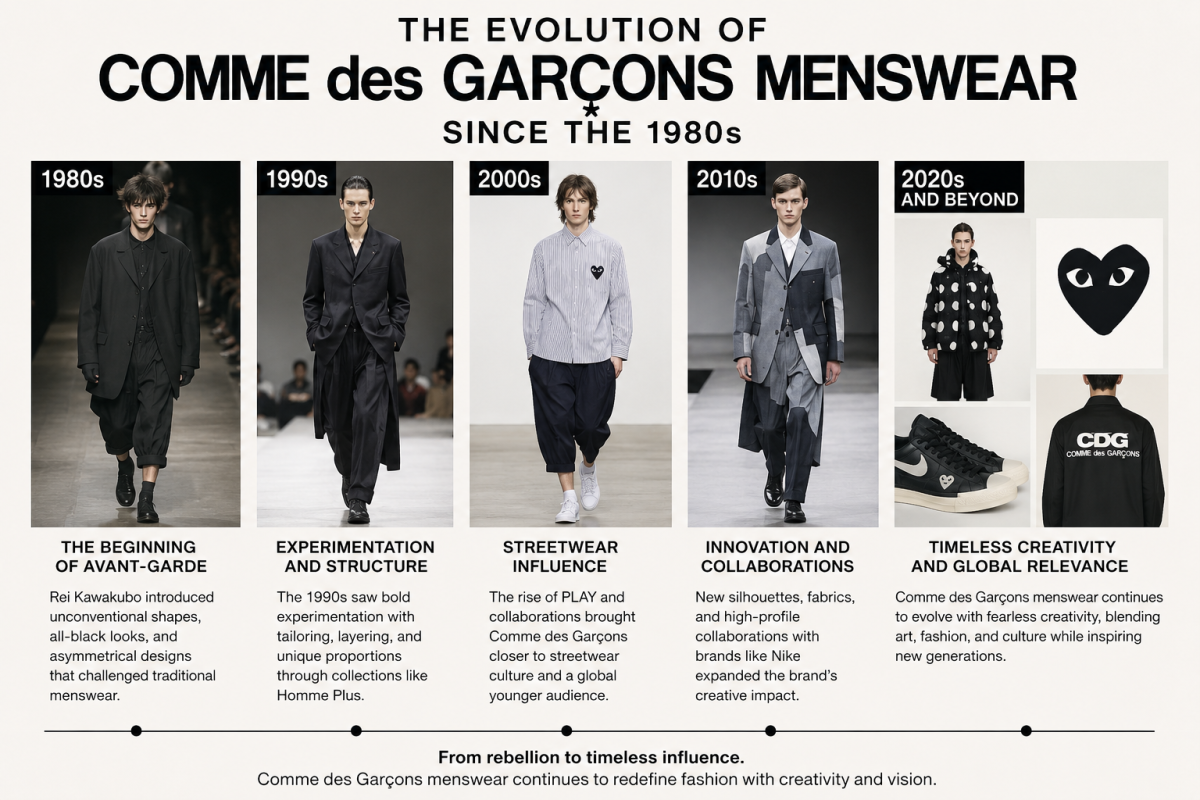
Each collection feels like a new chapter rather than a continuation. This unpredictability keeps audiences engaged and ensures the brand never becomes stale. In contrast to brands that rely heavily on nostalgia or repetition, Comme des Garçons thrives on constant reinvention.
Cultural Influence Beyond Clothing
Comme des Garçons’ radical nature extends beyond garments. The brand CDG has influenced art, retail design, and even how fashion is presented. Its concept stores, collaborations, and sub-labels all reflect a broader creative vision.
Rather than simply selling clothes, the brand creates experiences. This multidisciplinary approach keeps it culturally relevant, especially among younger audiences seeking authenticity and originality.
A Designer Who Defies Expectations
Much of the brand’s enduring radicalism comes from Rei Kawakubo herself. She avoids interviews, rejects industry norms, and rarely explains her work. This mystery adds depth to her creations, allowing people to interpret them freely.
In a time when personal branding and social media dominate, Kawakubo’s quiet, almost elusive presence feels refreshing—and revolutionary.
Why It Still Matters Today
Fashion today is more commercialized than ever. Algorithms predict trends, influencers shape demand, and brands often prioritize sales over creativity. In this landscape, Comme des Garçons stands as a reminder that fashion can still be art.
Its radical spirit inspires designers and creatives to take risks, challenge norms, and think differently. That influence alone ensures its continued relevance.
(FAQs)
Comme des Garçons stands out for its experimental designs, rejection of traditional beauty standards, and focus on conceptual fashion rather than trends.
The brand was founded by Japanese designer Rei Kawakubo, known for her avant-garde approach to fashion.
It is considered avant-garde because it pushes boundaries, challenges norms, and often presents fashion as art rather than just clothing.
Some pieces are highly conceptual, but the brand also offers more wearable lines and collaborations for everyday use.
Its commitment to innovation, originality, and artistic expression keeps it fresh and influential in a trend-driven industry.