No. 07The House
Rei Kawakubo’s Influence on Designers
How Rei Kawakubo influenced modern fashion: the designers she mentored, from Junya Watanabe to Chitose Abe, and the ideas that spread across the industry.
Rei Kawakubo, the visionary behind Comme des Garçons, is widely regarded as one of the most revolutionary figures in modern fashion. Yet, unlike many designers who rely on bold publicity or trend-driven popularity, her influence has spread quietly—through ideas, philosophies, and a completely new way of thinking about clothing. Her work has reshaped how modern designers approach form, structure, and creativity itself.
Quick answer
Rei Kawakubo influenced modern fashion by making conceptual, imperfect clothing acceptable, and by supporting designers inside her company. Junya Watanabe, Tao Kurihara and Kei Ninomiya all built labels within Comme des Garçons, and sacai founder Chitose Abe worked there before starting her own brand.
Key takeaways
- Several designers developed their own labels inside Comme des Garçons.
- Her ideas about deconstruction spread into mainstream and street fashion.
- Dover Street Market gives emerging designers a global stage.
Breaking the Traditional Rules of Fashion
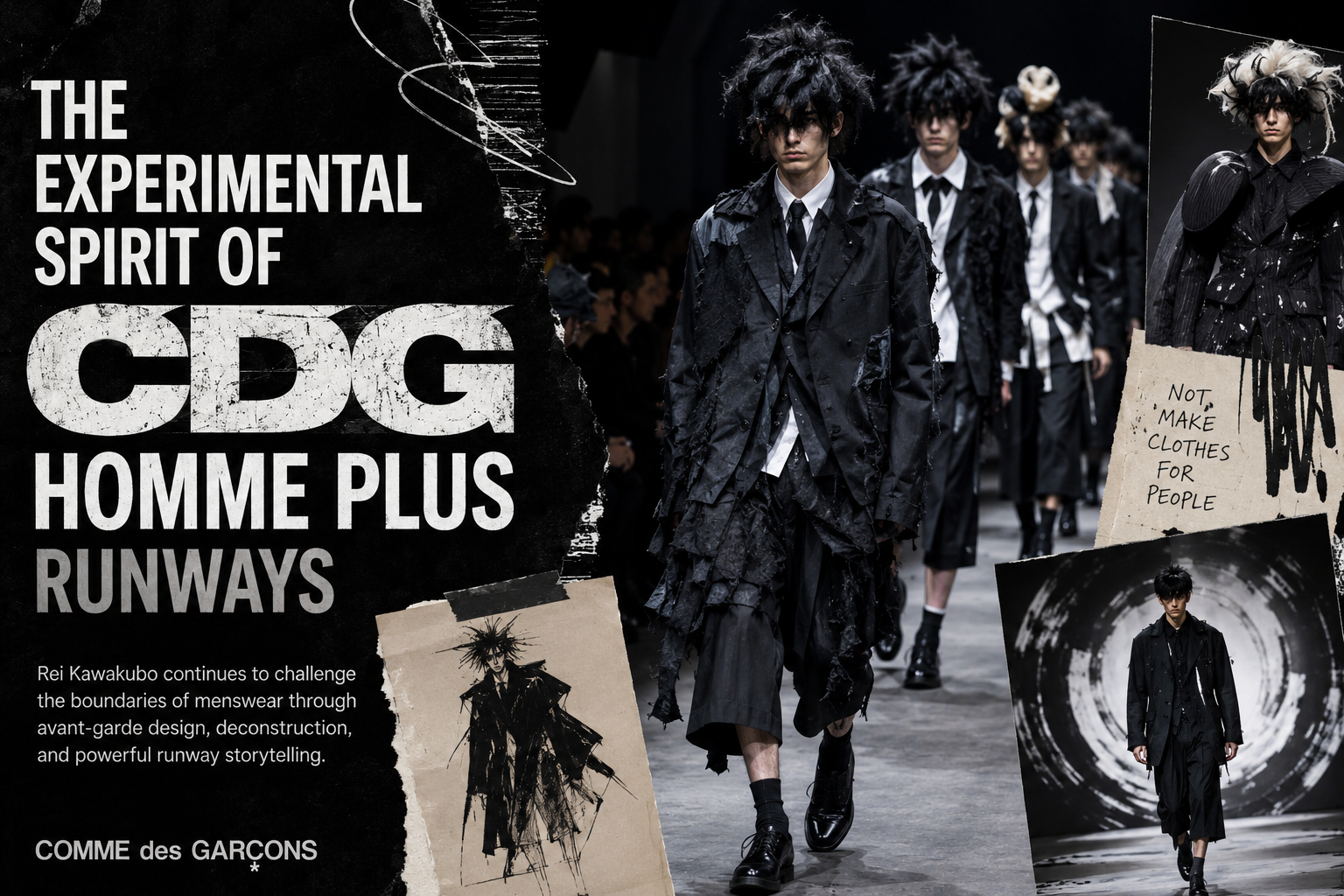
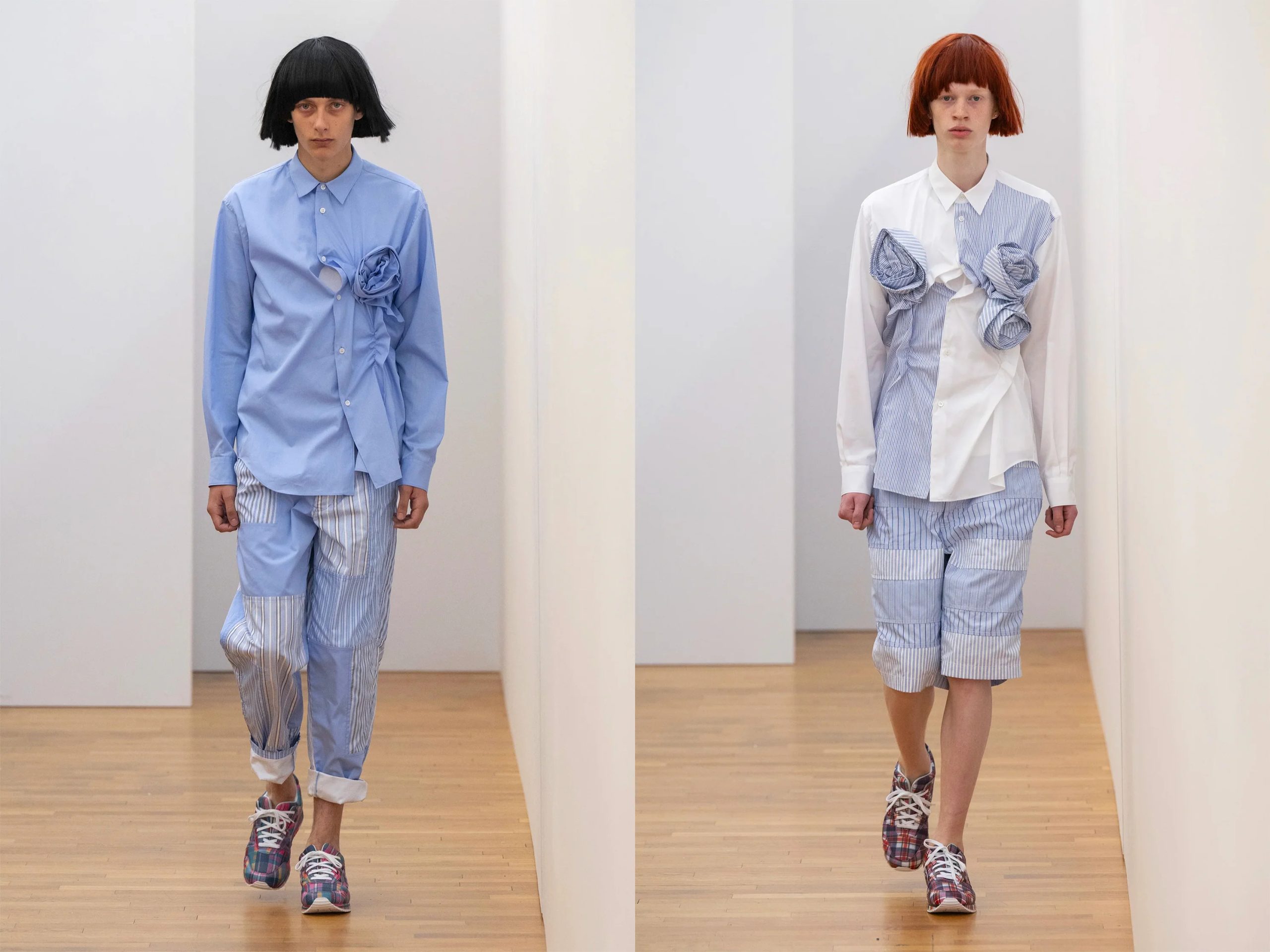
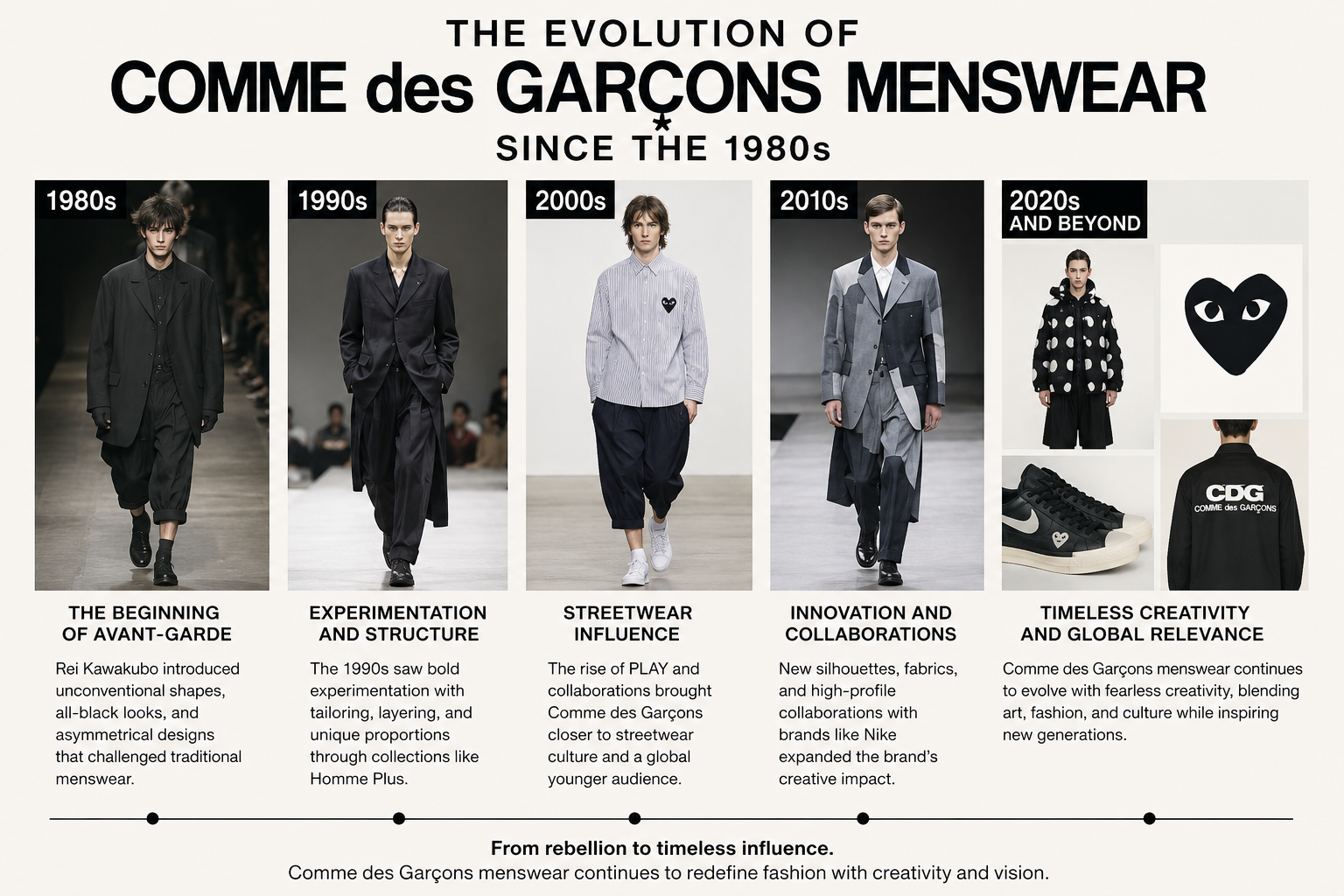
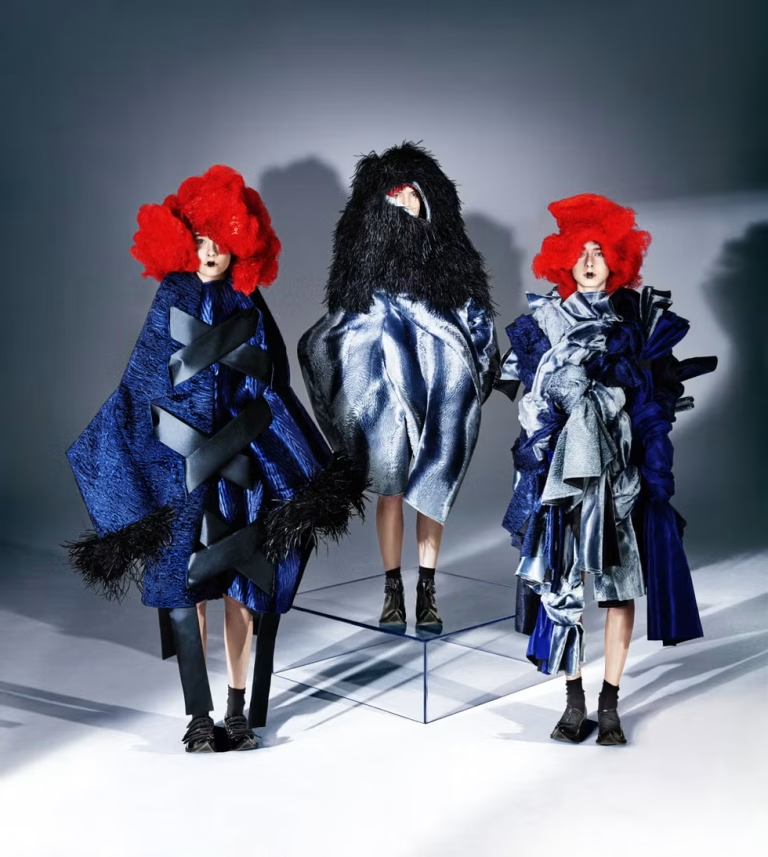
From the early days of Comme des Garçons in the 1970s, Kawakubo challenged everything fashion stood for. Instead of focusing on beauty, symmetry, or traditional tailoring, she introduced garments that often looked unfinished, asymmetrical, or intentionally distorted.
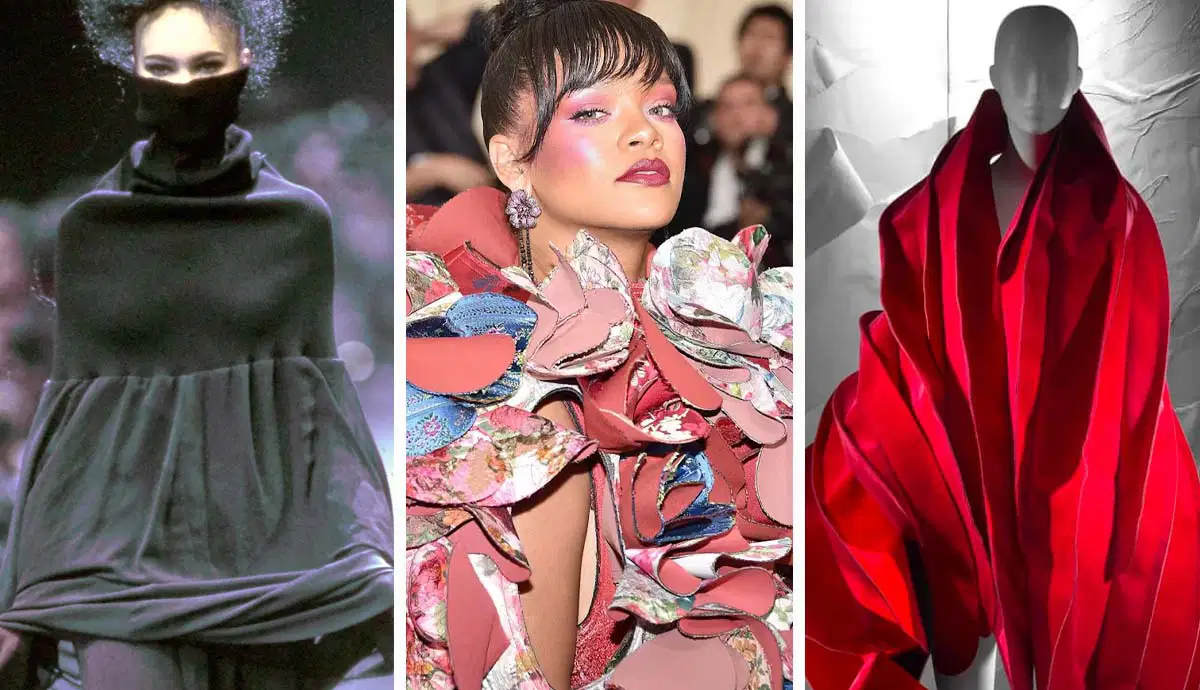
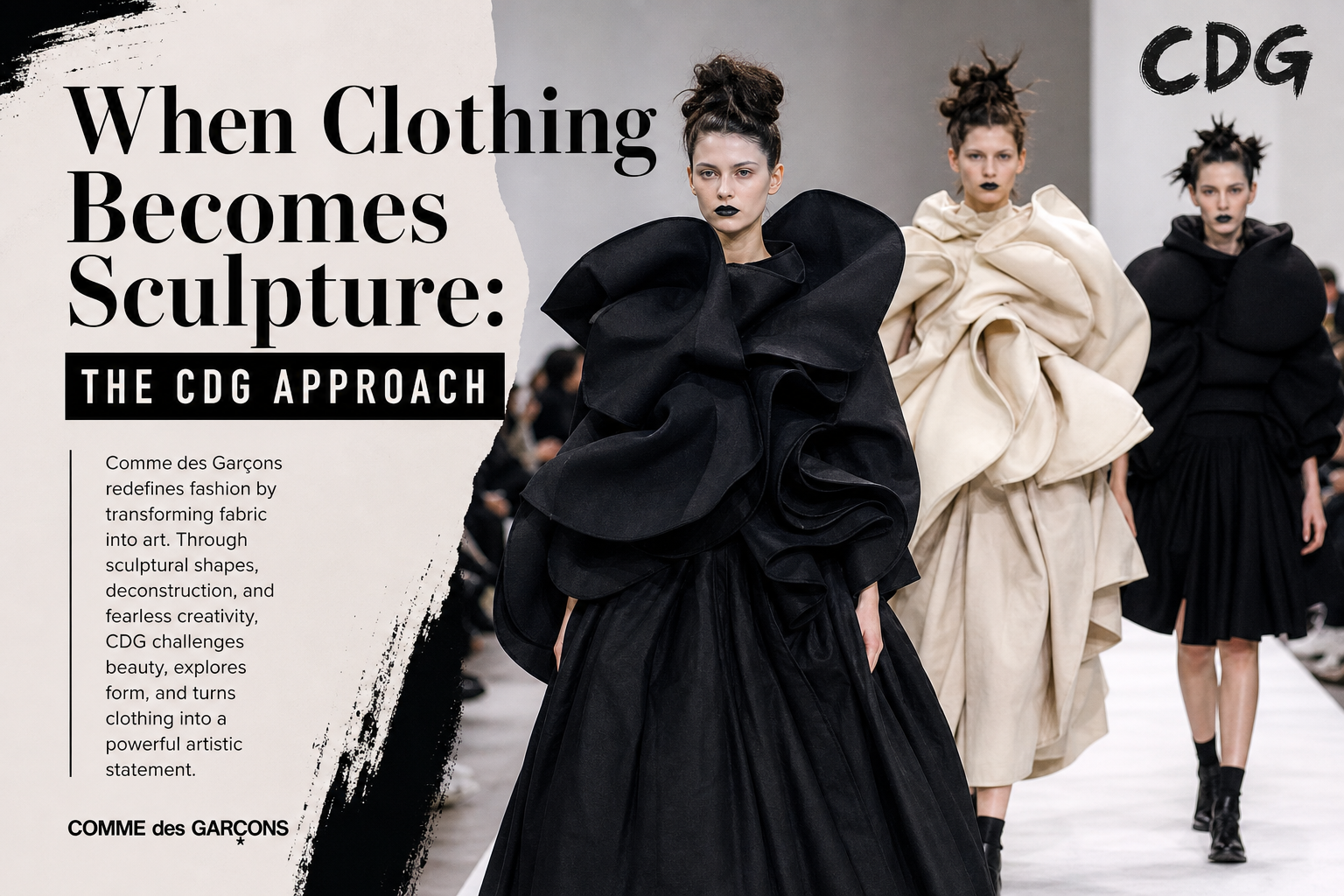
Her goal was never to decorate the body but to question it. This radical approach forced the fashion world to reconsider what clothing could mean. Over time, her ideas became a foundation for experimental and conceptual design across the industry.
| Designer | Label | Connection |
|---|---|---|
| Junya Watanabe | Junya Watanabe Comme des Garçons | Own label inside CDG since 1992 |
| Tao Kurihara | tao | Label within CDG from 2005 |
| Kei Ninomiya | noir kei ninomiya | Label within CDG from 2012 |
| Chitose Abe | sacai | Worked at CDG before founding sacai |
The Rise of Conceptual Fashion Thinking
Kawakubo’s influence is most visible in the shift from commercial fashion to conceptual fashion. Today, many designers no longer think only about “what looks good” but also “what it means.”
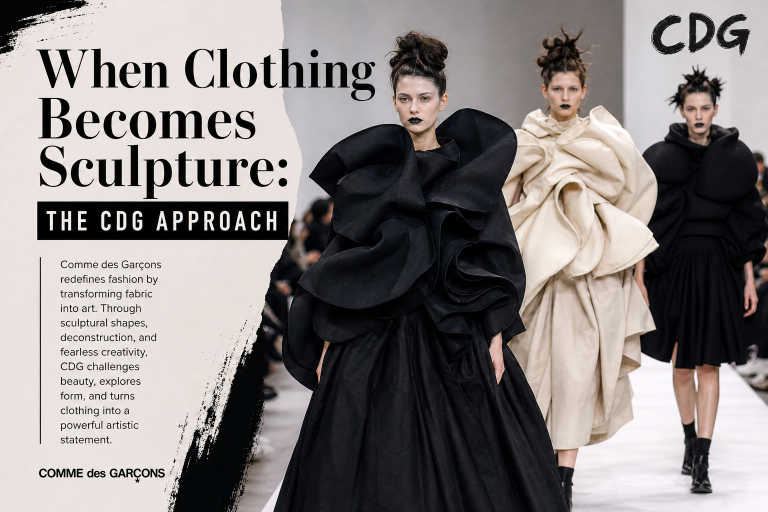
Oversized silhouettes, deconstructed jackets, and abstract runway presentations have become common in modern collections. These ideas were once shocking, but Kawakubo made them part of fashion’s vocabulary.
Her work helped transform fashion into an intellectual space where ideas matter as much as appearance.
A Quiet Influence That Shaped Global Designers
What makes Kawakubo unique is that her influence is often indirect. She is rarely imitated in a literal sense, but her philosophy has inspired countless designers to experiment freely.
Designers such as Martin Margiela, Yohji Yamamoto, and many new-generation avant-garde creators have drawn from her mindset rather than her aesthetic. Instead of copying her designs, they adopt her courage to break rules and explore imperfection.
This is why her influence is described as “quiet”—it spreads through thought, not repetition.
Fashion as Art, Not Just Clothing
One of Kawakubo’s most powerful contributions is her ability to blur the line between fashion and art. Her collections are often displayed in museums and treated as conceptual installations rather than commercial products.
This shift has changed how institutions, critics, and audiences view fashion commedesgercons.com. It is no longer just about seasonal clothing—it is about storytelling, emotion, and artistic expression.
Her work helped elevate fashion into a respected art form around the world.
A Legacy That Continues to Shape Modern Design
Even today, Kawakubo continues to lead Comme des Garçons with the same fearless creativity. Each collection challenges expectations and refuses to repeat past ideas.
In an industry driven by trends and commercial pressure, her approach remains rare. She proves that true innovation comes from questioning everything, even success itself.
Modern designers continue to study her work not to copy it, but to understand how to think differently.
Frequently asked questions
Which designers worked at Comme des Garçons?
Junya Watanabe, Tao Kurihara, Kei Ninomiya and Chitose Abe of sacai are among the best-known.
How did Rei Kawakubo change fashion?
She made imperfection, asymmetry and conceptual design part of mainstream fashion conversation.
Is Junya Watanabe part of Comme des Garçons?
Yes. Junya Watanabe designs under the Comme des Garçons company with his own label.
More on Rei Kawakubo and Comme des Garçons
Keep reading
More from the Journal
 CDG Play Unisex Reverse Red Heart Zip Hooded White Original price was: $230.00.$120.00Current price is: $120.00.
 CDG PLAY Zip Hoodie with Red Invader Heart and Blue Emblem Original price was: $175.00.$99.00Current price is: $99.00.
 CDG Play Zip-up Hoodie Original price was: $175.00.$125.00Current price is: $125.00.
 CDG Play Unisex Reverse Red Heart Zip Hooded Grey Original price was: $230.00.$120.00Current price is: $120.00.